
Best Digital Pianos for Classical Music in 2026: 7 Picks Ranked
Classical study demands action expressiveness, grand-piano tone, polyphony headroom and half-damper support — these seven optimize for exactly that.

By Shahadat Shahi Published Updated

The short answer
Compare all 7-
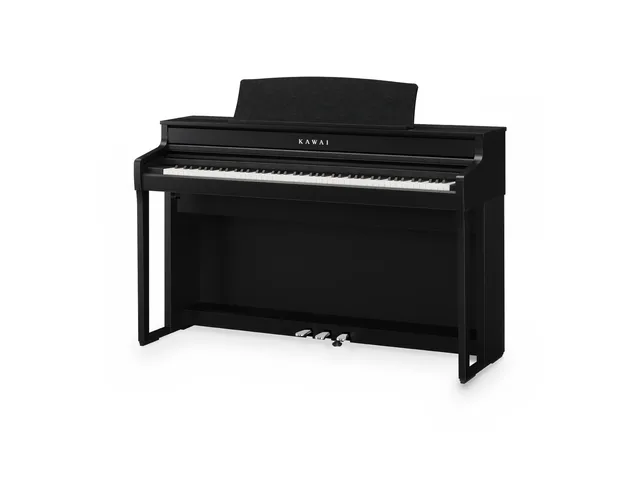
No. 1 · Our top pick
Best Overall for Classical
Premium home console
- Key action
- Grand Feel Compact (88 wooden keys, triple-sensor, counterweights, let-off)
- Polyphony
- 256 notes
- Weight
- 145.5 lbs (66 kg)
Grand Feel Compact wooden action, SK-EX Competition Grand through Harmonic Imaging XL, Grand Feel pedals, and a 100W speaker system for serious home practice.
-
No. 2
Ultimate Premium
- Key action
- Grand Feel III (full-length wooden white and black keys, let-off, counterweights, triple-sensor)
- Polyphony
- 256 notes
- Weight
- 182 lbs (82.5 kg) in standard finishes
The CA-901 is the premium choice for pianists who can hear and feel the difference made by Grand Feel III, SK-EX Rendering, and the soundboard-based speaker system.
-
No. 3
Best Portable for Classical
Flagship portable
- Key action
- PHA-50 hybrid wood-and-plastic with escapement, synthetic ebony/ivory tops
- Polyphony
- Limitless for selected modeled piano tones; 256 for other tones
- Weight
- 52 lbs (23.6 kg)
PHA-50 hybrid action, PureAcoustic Piano Modeling, a four-speaker system, an included DP-10 pedal, and optional three-pedal expansion.
-
No. 4
Best Yamaha Portable for Classical
- Key action
- GrandTouch-S (wooden white keys, synthetic ebony black keys, escapement)
- Polyphony
- 256 notes
- Weight
- 48.5 lbs (22 kg)
The P-525 is the Yamaha choice for players who want a portable chassis, wooden white keys, CFX/Bösendorfer voices, and an included continuous damper pedal.
-
No. 5
Mid-Range Yamaha Console
- Key action
- GrandTouch-E, escapement
- Polyphony
- 192 notes
- Weight
- 42 kg (92 lb 10 oz)
The YDP-166 is the better Arius choice for a permanent home setup when its escapement keys, stronger speakers, and integrated three-pedal cabinet matter more than portability.
-
No. 6
Portable Value for Developing Players
- Key action
- Responsive Hammer Compact II (RHCII)
- Polyphony
- 192 notes
- Weight
- 32 lbs (14.5 kg)
The ES520 is best treated as a capable portable support instrument for developing classical players, lessons, and flexible rooms.
-
No. 7
Best Entry Console
Entry home console
- Key action
- GHS (Graded Hammer Standard)
- Polyphony
- 192 notes
- Weight
- 38 kg
GHS action, Yamaha CFX sampling, VRM Lite, and an integrated three-pedal unit with half-pedal for early classical study at home.
The CA501 protects wooden-key action at home, the YDP-146 protects the entry three-pedal route, and the FP-90X protects the stage-and-studio portable route.
Compare all 7
Swipe the table sideways to see every column.
Here's how the best digital pianos for classical music in this guide compare on action type, sound engine, polyphony, pedal capability, and form factor. Every model provides at least 192-note polyphony and a half-damper-capable pedal path. The consoles include three pedals; the portables include a single continuous damper pedal and require an optional unit for a full three-pedal layout.
| Rank | Best for | Price | Key action | Polyphony | Form | Rating | Next step | Amazon |
|---|---|---|---|---|---|---|---|---|
| #1Kawai CA501#1 · SK-EX Competition Grand / HI-XL · Console | Best Overall for Classical | Premium | Grand Feel Compact (wood) | 256 | SK-EX Competition Grand / HI-XL | Console | Read chapter | Check price on Amazon for the Kawai CA501 (opens in a new tab) |
| #2Kawai CA-901#2 · SK-EX + soundboard speakers · Console | Ultimate Premium | Flagship | Grand Feel III (full wood) | 256 | SK-EX + soundboard speakers | Console | Read chapter | |
| #3Roland FP-90X#3 · PureAcoustic Modeling · Portable | Best Portable for Classical | Flagship portable | PHA-50 (hybrid wood) | 256 | PureAcoustic Modeling | Portable | Read chapter | Check price on Amazon for the Roland FP-90X (opens in a new tab) |
| #4Yamaha P-525#4 · CFX + Bosendorfer + VRM · Portable | Best Yamaha Portable for Classical | Upper portable | GrandTouch-S (wood) | 256 | CFX + Bosendorfer + VRM | Portable | Read chapter | Check price on Amazon for the Yamaha P-525 (opens in a new tab) |
| #5Yamaha YDP-166#5 · CFX + VRM Lite · Console | Mid-Range Yamaha Console | Mid-range console | GrandTouch-E | 192 | CFX + VRM Lite | Console | Read chapter | Check price on Amazon for the Yamaha YDP-166 (opens in a new tab) |
| #6Kawai ES520#6 · Progressive Harmonic Imaging · Portable | Portable Value for Developing Players | Mid-range portable | RHCII (plastic) | 192 | Progressive Harmonic Imaging | Portable | Read chapter | |
| #7Yamaha YDP-146#7 · CFX + VRM Lite · Console | Best Entry Console | Entry console | GHS | 192 | CFX + VRM Lite | Console | Read chapter | Check price on Amazon for the Yamaha YDP-146 (opens in a new tab) |
Tip
For classical study, prioritize action control and a half-damper-capable pedal over feature count. The CA501 and CA-901 include Kawai's adjustable Grand Feel pedal systems. The YDP consoles include three pedals, while the FP-90X, P-525, and ES520 include continuous damper pedals and need optional accessories for sostenuto and soft pedals. Check the supplied pedal and compatible three-pedal unit before buying.
Price tiers are relative and availability changes. Use the Amazon links for the current listing rather than treating a static price as guaranteed.
Which classical requirement is driving your choice?
Choose the route closest to your situation. The instrument must satisfy the exact requirement — action, pedals, or format.
Start with Kawai CA501
- Needs
- Grand Feel Compact + half-damper
- Risk
- Console price and footprint
Start with Kawai CA-901
- Needs
- Grand Feel III + soundboard speakers
- Risk
- Top of the budget range
Start with Roland FP-90X
- Needs
- PHA-50 hybrid + modeled tone
- Risk
- Heavier portable; optional 3-pedal extra
Start with Yamaha YDP-146
- Needs
- Three-pedal Arius at entry price
- Risk
- GHS action below wooden-key tier
No. 1
Kawai CA501
Best Overall for Classical
No. 2
Kawai CA-901
Ultimate Premium
No. 3
Roland FP-90X
Best Portable for Classical
No. 7
Yamaha YDP-146
Best Entry Console
Choosing the best digital piano for classical music is fundamentally different from choosing one for casual playing. Classical study demands action expressiveness for nuanced dynamics, sound authenticity for the repertoire, polyphony headroom for pedal-heavy passages, and proper half-damper support for graduated pedaling. Most digital pianos optimize for broader appeal — lots of voices, modern Bluetooth features, slim aesthetics. The classical-suited picks in this guide optimize differently: controlled weighted actions, convincing grand-piano tone, dependable pedals, and speaker systems suited to regular home practice. We've ranked seven current digital pianos against that classical use case, from an entry Arius console to Kawai's flagship Concert Artist model. This guide is based on research, not hands-on testing.
Read the rest of the introduction
The short answer: the Kawai CA501 is the best digital piano for classical music overall, pairing Grand Feel Compact wooden keys with SK-EX Competition Grand tone, adjustable pedal response, and a 100W cabinet system. The Yamaha YDP-146 is the entry console pick: its GHS action is less refined, but CFX sampling, VRM Lite, and built-in pedals make it a practical starting point for home lessons. The Roland FP-90X is the best portable option, with PHA-50 hybrid action and PureAcoustic Piano Modeling in a movable chassis. For a broader portability comparison, see our portable digital piano guide.

All 7 Classical Digital Pianos Compared
Best Overall for Classical
Kawai CA501 — Best Overall for Classical Practice
Current price varies · Kawai


- Angle
- Grand Feel Compact wooden keys and panel under the hands
Features
- Key action
- Grand Feel Compact (88 wooden keys, triple-sensor, counterweights, let-off)
- Sound engine
- SK-EX Competition Grand through Harmonic Imaging XL
- Polyphony
- 256 notes
- Speakers
- 100W (50W + 50W), four speakers with diffusers
- Connectivity
- Bluetooth Audio + MIDI, USB, unbalanced 1/4-inch line in/out
- Weight
- 145.5 lbs (66 kg)
Best for: committed classical pianists, teaching studios, and long-term home practice. Not for: buyers who need portability or cannot try a premium wooden action before purchase.
Read the full review: Kawai CA501
Our verdict
The CA501 is the best-balanced choice here for serious home classical practice: it combines a wooden action, convincing Kawai grand tone, strong speakers, and an integrated pedal system without moving to the CA-901's flagship cabinet and soundboard system. Players preparing especially demanding repertoire should still compare it in person with an acoustic piano and with higher-tier actions.
Pros
- +Grand Feel Compact wooden action with let-off and triple-sensor detection
- +SK-EX Competition Grand tone with 88-key Harmonic Imaging XL sampling
- +Adjustable Grand Feel pedals support nuanced damper work
- +256-note polyphony provides ample solo-piano headroom
- +100W four-speaker system has substantial home-practice range
- +Virtual Technician adjustments help tailor touch and resonance
Cons
- –145.5 lbs requires planned delivery and assembly
- –Premium-console pricing is a serious commitment
- –Grand Feel Compact is less substantial than the CA-901's Grand Feel III action
- –Limited dealer network outside major metros for in-person try-before-buy
- Best for
- Best Overall for Classical
- Main downside
- 145.5 lbs requires planned delivery and assembly
- Price position
- Current price varies · Kawai
How it plays and sounds
The CA501 is the entry point to Kawai's current Concert Artist line and the strongest all-round home console in this list. Grand Feel Compact uses wooden keys, counterweights, let-off simulation, and triple-sensor detection. Its SK-EX Competition Grand voice runs through Harmonic Imaging XL rather than the flagship CA-901's SK-EX Rendering engine. A 100W four-speaker system and the adjustable Grand Feel Pedal System support wide dynamics and graduated pedaling without requiring add-on furniture or pedals.
View full specs
| Key action | Grand Feel Compact (88 wooden keys, triple-sensor, counterweights, let-off) |
|---|---|
| Keys | 88 grade-weighted wooden keys with Ivory Touch white-key surfaces |
| Sound engine | SK-EX Competition Grand through Harmonic Imaging XL |
| Polyphony | 256 notes |
| Voices | 45 |
| Speakers | 100W (50W + 50W), four speakers with diffusers |
| Pedals | Grand Feel 3-pedal system with adjustable half-pedal support |
| Connectivity | Bluetooth Audio + MIDI, USB, unbalanced 1/4-inch line in/out |
| Cabinet | Premium Satin Black, White, or Rosewood |
| Weight | 145.5 lbs (66 kg) |
Take a closer look.
Best Overall for Classical
Grand Feel Compact wooden keys and panel under the hands

Ultimate Premium

CA-901 flagship cabinet with music rest and bench

Best Portable for Classical

PHA-50 keybed and panel under the hands
Ultimate Premium
Kawai CA-901 — Flagship Kawai Console
Current price and stock vary · Kawai
- Angle
- CA-901 flagship cabinet with music rest and bench
Features
- Key action
- Grand Feel III (full-length wooden white and black keys, let-off, counterweights, triple-sensor)
- Sound engine
- SK-EX Rendering for the Competition Grand; Harmonic Imaging XL for sampled sounds
- Polyphony
- 256 notes
- Speakers
- 135W TwinDrive Soundboard Speaker System with eight drivers
- Connectivity
- Bluetooth Audio + MIDI, USB, unbalanced 1/4-inch line out
- Weight
- 182 lbs (82.5 kg) in standard finishes
Best for: experienced classical pianists, professional teaching studios, and buyers prioritizing Kawai's flagship touch and room sound. Not for: buyers unable to audition it or confirm current delivery and stock.
Read the full review: Kawai CA-901
Our verdict
The CA-901 is the premium choice for pianists who can hear and feel the difference made by Grand Feel III, SK-EX Rendering, and the soundboard-based speaker system. The CA501 remains the more practical recommendation for many homes, while the CA-901 deserves an in-person trial and a current availability check before purchase.
Pros
- +Grand Feel III action with 88 wooden keys and graded counterweights
- +SK-EX Rendering combines multi-channel sampling and resonance modeling
- +135W TwinDrive system includes a soundboard speaker and eight drivers
- +Triple-sensor keys for precise repeated-note detection in fast classical passages
- +Continuous half-pedal sensing at high resolution
- +Cabinet construction competes with Yamaha CLP-785 and Roland LX708 flagship consoles
Cons
- –Flagship pricing makes an in-person comparison especially important
- –182 lbs requires professional delivery planning
- –Most online buyers won't get to play before purchase — high-stakes spec-sheet trust
- –The inspected Amazon listing was currently unavailable
- Best for
- Ultimate Premium
- Main downside
- Flagship pricing makes an in-person comparison especially important
- Price position
- Current price and stock vary · Kawai
How it plays and sounds
The CA-901 is Kawai's flagship Concert Artist console. Grand Feel III uses 88 wooden keys with graded counterweights, let-off simulation, and triple-sensor detection. SK-EX Rendering combines multi-channel sampling with resonance modeling, while the 135W TwinDrive Soundboard Speaker System uses top, front, tweeter, and soundboard delivery. Those are meaningful upgrades over the CA501, but Amazon US listed it as currently unavailable when we checked in October 2026, so this chapter has no Amazon button.
View full specs
| Key action | Grand Feel III (full-length wooden white and black keys, let-off, counterweights, triple-sensor) |
|---|---|
| Keys | 88 fully-weighted with synthetic ivory and ebony tops |
| Sound engine | SK-EX Rendering for the Competition Grand; Harmonic Imaging XL for sampled sounds |
| Polyphony | 256 notes |
| Voices | 96 |
| Speakers | 135W TwinDrive Soundboard Speaker System with eight drivers |
| Pedals | Grand Feel 3-pedal system with adjustable half-pedal support |
| Connectivity | Bluetooth Audio + MIDI, USB, unbalanced 1/4-inch line out |
| Weight | 182 lbs (82.5 kg) in standard finishes |
Best Portable for Classical
Roland FP-90X — The Stage-and-Studio Classical Flagship
Current price varies · Roland
- Angle
- PHA-50 keybed and panel under the hands
Features
- Key action
- PHA-50 hybrid wood-and-plastic with escapement, synthetic ebony/ivory tops
- Sound engine
- PureAcoustic Modeling (real-time string and resonance modeling)
- Polyphony
- Limitless for selected modeled piano tones; 256 for other tones
- Speakers
- 25W x 2 main speakers plus 5W x 2 tweeters
- Connectivity
- Bluetooth Audio + MIDI, USB MIDI/audio, 1/4-inch line outs, mic input
- Weight
- 52 lbs (23.6 kg)
Best for: classical pianists who need portability, conservatory students moving between practice spaces, classical-track players who also gig or record. Not for: stationary classical-only home setups (CA501 is more refined) or buyers who never need to move the piano.
Read the full review: Roland FP-90X
Our verdict
The FP-90X is the strongest portable recommendation in this lineup for classical pianists who also move, rehearse, record, or perform. The CA501 offers a more integrated home-console experience; the FP-90X earns its place through the PHA-50 action, modeled piano engine, capable speakers, and flexible connections.
Pros
- +PureAcoustic Modeling delivers string-interaction nuance for Romantic-era repertoire
- +PHA-50 hybrid wood action is the most acoustic-feeling portable for classical study
- +Four-speaker 25W x 2 plus 5W x 2 system has strong onboard projection
- +DP-10 continuous damper pedal is included
- +1/4-inch line outputs and USB audio support recording workflows
- +Only flagship-grade portable that genuinely bridges classical practice and stage work
Cons
- –52 lbs is heavy for solo gigging without a road case
- –PureAcoustic Modeling is polarizing — some classical purists prefer pure sampling for cleaner tone
- –Plastic chassis at this price — less premium feel than the Kawai CA501 console
- –RPU-3 or KPD-90 is an extra purchase when three pedals are required
- Best for
- Best Portable for Classical
- Main downside
- 52 lbs is heavy for solo gigging without a road case
- Price position
- Current price varies · Roland
How it plays and sounds
The FP-90X is the right pick for classical pianists who need a portable form without dropping to an entry action. Its PHA-50 hybrid wood-and-plastic keyboard includes escapement, and PureAcoustic Piano Modeling responds dynamically rather than relying only on fixed sample playback. The four-speaker system is rated at 25W x 2 plus 5W x 2. Roland includes a DP-10 continuous damper pedal; the RPU-3 three-pedal unit is optional.
View full specs
| Key action | PHA-50 hybrid wood-and-plastic with escapement, synthetic ebony/ivory tops |
|---|---|
| Keys | 88 fully-weighted, triple-sensor |
| Sound engine | PureAcoustic Modeling (real-time string and resonance modeling) |
| Polyphony | Limitless for selected modeled piano tones; 256 for other tones |
| Voices | 362 (incl. modeled grand pianos) |
| Speakers | 25W x 2 main speakers plus 5W x 2 tweeters |
| Pedal | DP-10 continuous damper included; RPU-3 3-pedal unit optional |
| Connectivity | Bluetooth Audio + MIDI, USB MIDI/audio, 1/4-inch line outs, mic input |
| Weight | 52 lbs (23.6 kg) |
Best Yamaha Portable for Classical
Yamaha P-525 — Yamaha's Wooden-Key Portable
Current price varies · Yamaha


- Angle
- P-525 panel over the GrandTouch-S keybed
Features
- Key action
- GrandTouch-S (wooden white keys, synthetic ebony black keys, escapement)
- Sound engine
- CFX + Bosendorfer Imperial sampling with VRM
- Polyphony
- 256 notes
- Speakers
- (20W + 6W) x 2 with oval speakers and dome tweeters
- Connectivity
- Bluetooth Audio + MIDI, USB MIDI/audio, standard 1/4-inch AUX outs
- Weight
- 48.5 lbs (22 kg)
Best for: Yamaha-focused classical pianists who need portability and wooden white keys. Not for: buyers who want a furniture console or an included three-pedal layout.
Read the full review: Yamaha P-525
Our verdict
The P-525 is the Yamaha choice for players who want a portable chassis, wooden white keys, CFX/Bösendorfer voices, and an included continuous damper pedal. Choose it over the YDP-166 when portability and action construction matter more than an integrated cabinet and three-pedal unit.
Pros
- +GrandTouch-S wooden white keys with escapement
- +CFX and Bosendorfer Imperial sampling matches what's in higher Clavinova models
- +VRM virtual resonance modeling adds sympathetic-string realism for classical work
- +256-note polyphony eliminates dropouts in pedal-heavy passages
- +Yamaha brand familiarity and CFX recognition in classical lesson contexts
Cons
- –A full 3-pedal unit is optional rather than included
- –Portable speakers cannot reproduce the cabinet projection of a premium console
- –GrandTouch-S is distinct from Yamaha's larger Clavinova GrandTouch actions
- –Plastic chassis at this price — less premium feel than Clavinova line
- Best for
- Best Yamaha Portable for Classical
- Main downside
- A full 3-pedal unit is optional rather than included
- Price position
- Current price varies · Yamaha
How it plays and sounds
The P-525 is Yamaha's flagship portable and its current wooden-white-key option in the P-series. GrandTouch-S includes escapement, while CFX and Bösendorfer Imperial voices pair with VRM for a broad classical palette. Yamaha includes the FC3A continuous half-damper pedal. Add the optional LP-1 or FC35 when a full damper, sostenuto, and soft-pedal layout is required.
View full specs
| Key action | GrandTouch-S (wooden white keys, synthetic ebony black keys, escapement) |
|---|---|
| Keys | 88 fully-weighted, triple-sensor |
| Sound engine | CFX + Bosendorfer Imperial sampling with VRM |
| Polyphony | 256 notes |
| Voices | 44 panel voices + 18 drum/SFX kits + 480 XG voices |
| Speakers | (20W + 6W) x 2 with oval speakers and dome tweeters |
| Pedal | FC3A continuous half-damper pedal included; LP-1/FC35 3-pedal units optional |
| Connectivity | Bluetooth Audio + MIDI, USB MIDI/audio, standard 1/4-inch AUX outs |
| Weight | 48.5 lbs (22 kg) |
Mid-Range Yamaha Console
Yamaha YDP-166 — The Traditional Classical Practice Console
Current price varies · Yamaha


- Angle
- At home, in a dark finish
Features
- Key action
- GrandTouch-E, synthetic ebony and ivory keytops, escapement
- Sound engine
- Yamaha CFX, VRM Lite
- Polyphony
- 192 notes
- Speakers
- 20 W × 2
- Connectivity
- Bluetooth audio and MIDI, USB audio, two headphone jacks
- Weight
- 42 kg (92 lb 10 oz)
Best for: developing classical pianists who want escapement keys and three pedals in a Yamaha home console. Not for: a wooden-key requirement or portable performance workflows.
Read the full review: Yamaha YDP-166
Our verdict
The YDP-166 is the better Arius choice for a permanent home setup when its escapement keys, stronger speakers, and integrated three-pedal cabinet matter more than portability. It should be judged as a capable mid-range console with plastic keys; players who want wooden keys should compare the CA501 and P-525.
Pros
- +GrandTouch-E keys with escapement
- +Three pedals with half-pedal on the damper, built in
- +CFX sound with VRM Lite and 192-note polyphony
- +Bluetooth audio and MIDI and two headphone jacks
Cons
- –GrandTouch-E with plastic keys at this tier — the wooden-key shift happens at the CA501
- –No line outputs
- –10 voices: a piano first
- –42 kg (92 lb 10 oz): it stays where you put it
- Best for
- Mid-Range Yamaha Console
- Main downside
- GrandTouch-E with plastic keys at this tier — the wooden-key shift happens at the CA501
- Price position
- Current price varies · Yamaha
How it plays and sounds
The YDP-166 sits at the upper end of Yamaha's Arius line and is a mid-range home console, not a substitute for the wooden actions in the Clavinova, Concert Artist, or Roland LX tiers. Yamaha lists its GrandTouch-E keyboard with escapement and synthetic ebony and ivory keytops, CFX sampling with VRM Lite, 192-note polyphony, 20 W × 2 speakers, and an integrated three-pedal unit with half-pedal on the damper, which make it a coherent permanent practice setup. Yamaha launched the YDP-166 in June 2026, and Yamaha USA's Arius line-up now lists it and no longer the YDP-165; Yamaha doesn't call it a successor. The listing we link is White Birch. See Yamaha's YDP-166 specs for the full list.
View full specs
| Key action | GrandTouch-E, synthetic ebony and ivory keytops, escapement |
|---|---|
| Sound engine | Yamaha CFX, VRM Lite |
| Polyphony | 192 notes |
| Voices | 10 |
| Speakers | 20 W × 2 |
| Pedals | Three, half-pedal on the damper |
| Connectivity | Bluetooth audio and MIDI, USB to Host with USB audio, two headphone jacks |
| Size | 1,357 × 422 × 849 mm |
| Weight | 42 kg (92 lb 10 oz) |
Portable Value for Developing Players
Kawai ES520 — Portable Value for Classical Practice
Current price and variant vary · Kawai


- Front
- ES520 control panel and RHCII keybed under the hands
Features
- Key action
- Responsive Hammer Compact II (RHCII)
- Sound engine
- Progressive Harmonic Imaging
- Polyphony
- 192 notes
- Speakers
- 40W (20W x 2)
- Connectivity
- Bluetooth Audio + MIDI, USB/MIDI, unbalanced 1/4-inch line out
- Weight
- 32 lbs (14.5 kg)
Best for: developing classical players who value portability and Kawai tone. Not for: a wooden-key requirement or buyers who need an included three-pedal console.
Read the full review: Kawai ES520
Our verdict
The ES520 is best treated as a capable portable support instrument for developing classical players, lessons, and flexible rooms. It is lighter and less action-focused than the FP-90X or P-525, but its speakers, included half-damper pedal, and Kawai piano tone make it a useful value option when the exact Amazon variant is checked carefully.
Pros
- +Progressive Harmonic Imaging provides a warm Kawai piano character
- +RHCII gives developing players a compact weighted portable action
- +40W speakers project well for home practice
- +32 lbs is portable for classical students moving between spaces
- +Included F-10H pedal supports half-pedaling
Cons
- –No wooden-key action — RHCII is plastic (CA501 is the wooden-key step up)
- –192-note polyphony is ample for solo practice but offers less layering headroom than 256-note models
- –A three-pedal unit is sold separately
- –Amazon may redirect between black and white variants, so verify the selected finish
- –34 voices is minimal for non-classical use cases (but adequate for classical-only)
- Best for
- Portable Value for Developing Players
- Main downside
- No wooden-key action — RHCII is plastic (CA501 is the wooden-key step up)
- Price position
- Current price and variant vary · Kawai
How it plays and sounds
The ES520 is a portable/value option for developing classical players who prefer Kawai's sound and do not need a wooden action. Responsive Hammer Compact II is a compact plastic-key action, and the Progressive Harmonic Imaging engine supplies 192-note polyphony and 34 voices. The 40W speaker system is strong for its weight. Bluetooth audio and MIDI are built in, and the included F-10H supports half-pedaling; add the optional GFP-3 or F-302 for three pedals.
View full specs
| Key action | Responsive Hammer Compact II (RHCII) |
|---|---|
| Keys | 88 fully-weighted |
| Sound engine | Progressive Harmonic Imaging |
| Polyphony | 192 notes |
| Voices | 34 (incl. pipe organ samples) |
| Speakers | 40W (20W x 2) |
| Connectivity | Bluetooth Audio + MIDI, USB/MIDI, unbalanced 1/4-inch line out |
| Pedal | F-10H half-damper pedal included; GFP-3/F-302 3-pedal options |
| Weight | 32 lbs (14.5 kg) |
Best Entry Console
Yamaha YDP-146 — The Affordable Classical Console
Current price varies · Yamaha


- Angle
- At home
Features
- Key action
- GHS (Graded Hammer Standard), matte black keytops
- Sound engine
- Yamaha CFX, VRM Lite
- Polyphony
- 192 notes
- Speakers
- 8 W × 2
- Connectivity
- Bluetooth audio and MIDI, two headphone jacks
- Weight
- 38 kg
Best for: early classical study, home lessons, and buyers who prioritize an integrated entry console. Not for: advanced technique work or buyers specifically seeking escapement, wooden, or hybrid actions.
Read the full review: Yamaha YDP-146
Our verdict
The YDP-146 is the entry console recommendation for families and adults beginning structured classical lessons who prefer an integrated Yamaha cabinet. Its three pedals and CFX/VRM Lite sound are useful, but the GHS action is the limiting factor; players developing demanding repetition and fine control should compare the YDP-166, P-525, FP-90X, and CA501.
Pros
- +GHS provides a graded weighted starting point for home lessons
- +CFX sampling with VRM Lite and 192-note polyphony
- +Three pedals with half-pedal on the damper, built in
- +Bluetooth audio and MIDI for lesson apps
Cons
- –8 W × 2 speakers are modest for classical recital practice in larger rooms
- –GHS, Yamaha's entry action, without escapement
- –10 voices: a piano first
- –No line outputs
- Best for
- Best Entry Console
- Main downside
- 8 W × 2 speakers are modest for classical recital practice in larger rooms
- Price position
- Current price varies · Yamaha
How it plays and sounds
The YDP-146 is the entry Arius console in this guide. Its action is Yamaha GHS, without escapement, so it should be positioned for early classical study and regular home lessons rather than advanced technique. Yamaha lists CFX sampling with VRM Lite, 192-note polyphony, 10 voices, an integrated three-pedal unit with half-pedal on the damper, Bluetooth audio and MIDI and two headphone jacks, at 38 kg. Its 8 W × 2 speakers suit practice, not room-filling recital projection. Yamaha launched the YDP-146 in June 2026, and Yamaha USA's Arius line-up now lists it and no longer the YDP-145; Yamaha doesn't call it a successor. See Yamaha's YDP-146 specs for the full list.
View full specs
| Key action | GHS (Graded Hammer Standard), matte black keytops |
|---|---|
| Sound engine | Yamaha CFX, VRM Lite |
| Polyphony | 192 notes |
| Voices | 10 |
| Speakers | 8 W × 2 |
| Pedals | Three, half-pedal on the damper |
| Connectivity | Bluetooth audio and MIDI, two headphone jacks |
| Size | 1,357 × 422 × 815 mm |
| Weight | 38 kg |
What Classical Pianists Need from a Digital Piano
The spec hierarchy for classical-suited digital pianos is fundamentally different from general-purpose buying. Voice count, Bluetooth, and modern aesthetics matter much less than action expressiveness, sound authenticity, polyphony headroom, and pedal capability. Here's what actually matters for classical study, in priority order.
Read more: action expressiveness for classical dynamics, concert grand sound authenticity, polyphony headroom for romantic repertoire, half-damper pedal sensing, recording capability for classical practice
Action expressiveness for classical dynamics
Classical repertoire demands control from quiet attacks through strong crescendos, plus dependable repetition and consistent weighting across the keyboard. Sensor count is only one part of that response; pivot geometry, hammer design, key return, friction, and the sound engine's velocity mapping all matter. Wooden and hybrid actions such as Grand Feel Compact, Grand Feel III, GrandTouch-S, and PHA-50 generally feel more substantial than entry actions, but every buyer should test repeated notes and control near the backs of the keys. Our weighted-key action explainer covers the basic mechanisms without turning action type into a substitute for an in-person trial.
Concert grand sound authenticity
Classical pianists train their ears on acoustic concert grand pianos. Digital piano sound engines that sample real concert grands (Yamaha CFX, Kawai SK-EX, Roland's modeled engines) deliver more authentic classical sound than entry-tier sample sets. The differences become practice-relevant once you start working on repertoire that depends on harmonic complexity — Romantic-era Chopin, Liszt, and Rachmaninoff specifically benefit from rich sympathetic-string modeling (VRM on Yamaha, Harmonic Imaging on Kawai, PureAcoustic Modeling on Roland FP-90X). For classical contexts, the sound engine matters as much as the action.
Polyphony headroom for Romantic repertoire
Pedal-heavy repertoire can sustain many voices at once, especially when resonance processing or layered sounds are active. For solo classical practice, 128-note polyphony is often workable; 192 or 256 provides comfortable extra headroom. Do not judge suitability from the number alone, because each manufacturer allocates voices differently and modeled piano engines may report polyphony differently from sample-based instruments.
Half-damper pedal sensing
Half-damper support lets the instrument respond between fully raised and fully depressed damper positions. The CA501 and CA901 include adjustable Grand Feel three-pedal systems. The YDP-146 and YDP-166 include integrated three-pedal units. The FP-90X, P-525, and ES520 include continuous damper pedals, while sostenuto and soft pedals require compatible optional three-pedal accessories.
Recording capability for classical practice
Recording practice sessions can expose timing, voicing, and pedal issues that are hard to hear while playing. The CA501, CA-901, FP-90X, P-525, and ES520 support Bluetooth audio and MIDI in their current specifications. The premium Kawai consoles and portable flagships also provide wired line or USB connections; the inspected analog line outputs are standard unbalanced connections, not balanced XLR.
Digital Piano for Exams & Conservatory
A quality digital piano can be an effective home-practice instrument for graded study, but exam venue and instrument policies vary by board, grade, country, and test center. Confirm the current rules with the exam provider and your teacher instead of relying on a universal digital-piano standard.
For home preparation, prioritize 88 weighted keys, predictable repetition, a half-damper-capable pedal, and enough dynamic range for the repertoire. The YDP-146, YDP-166, CA501, and CA901 include three pedals. The P-525 includes an FC3A damper pedal, the FP-90X includes a DP-10, and the ES520 includes an F-10H; each portable needs an optional accessory for a full three-pedal layout.
For the actual exam instrument, ask what the test center supplies and practice on a comparable acoustic or digital action beforehand. A home instrument can be suitable for preparation without being the instrument used in the examination room.
For demanding recital or conservatory preparation, access to a well-regulated acoustic piano remains valuable. The CA501 and CA-901 offer the most substantial integrated actions and pedal systems in this Amazon-linked lineup, but they do not remove the need to prepare on the type of instrument used for performance.
Choose a cabinet when a fixed three-pedal setup and room projection matter most. Choose a portable when the piano must move, then budget for the compatible stand and three-pedal unit if the repertoire requires them. For the broader acoustic question, see digital piano versus acoustic piano.
Watch out
Do not buy from a single headline specification. Polyphony, speaker watts, voice count, and key material can all look decisive on paper while hiding differences in repetition, pivot feel, pedal behavior, note allocation, and room sound. Test the action with your own repertoire and verify the exact pedal bundle before ordering.
Choose the right practice setup
Frequently Asked Questions
Can I prepare for piano exams on a digital piano?
Yes, a well-chosen digital piano can support exam preparation at home. Venue and instrument rules vary by exam board, grade, and test center, so confirm the current policy with your teacher and exam provider. Prioritize 88 weighted keys, dependable repetition, a half-damper-capable pedal, and enough dynamic control for your repertoire.
Do I need wooden keys for classical study?
No. Action design, repetition, control near the backs of the keys, and personal fit matter more than the key material alone. The YDP-146 uses GHS, the YDP-166 GrandTouch-E, the ES520 RHCII; all suit developing classical players. Wooden or hybrid actions such as Grand Feel Compact, Grand Feel III, GrandTouch-S, and PHA-50 offer a more acoustic-like lever feel for demanding practice.
How much polyphony do I need for classical music?
For solo classical practice, 128-note polyphony is often workable, while 192 or 256 notes gives useful extra headroom for layered sounds and pedal-heavy repertoire. Polyphony is only one part of the result: the sound engine, pedal behavior, note-allocation system, and action response also affect how naturally an instrument handles sustained passages.
What's the best classical digital piano under $1,000?
No model in this seven-piano lineup is reliably priced below $1,000. Amazon pricing changes, so buyers with a strict cap should compare the current under-$1,000 guide and prioritize an 88-key weighted action plus a half-damper-capable pedal. The YDP-146 is the entry console here, but its GHS action should be treated as a starting point rather than an advanced classical action.
What's the best classical digital piano under $2,000?
Depending on current pricing, compare the Yamaha P-525 and YDP-166. The P-525 is the portable option with GrandTouch-S wooden white keys, CFX and Bosendorfer voices, VRM, an included FC3A half-damper pedal, and a (20W + 6W) x 2 speaker system. The YDP-166 is a mid-range Arius console with GrandTouch-E keys with escapement, CFX, VRM Lite and three pedals.
Digital piano vs acoustic for serious classical study - which wins?
A quality digital piano is practical for daily classical practice because it offers headphones, stable tuning, recording, and consistent touch. An acoustic piano still provides mechanical and soundboard feedback that digital instruments do not fully reproduce. For demanding recital or conservatory work, discuss access to a suitable acoustic instrument with your teacher rather than relying on a universal grade cutoff.
Shahadat Shahi
Founder of PianoRanked. I research this guide from the makers' published specs — no paid placements, no brand partnerships.