
Best Cheap Digital Pianos Under $300 in 2026: An Honest Guide
Shopping for a cheap digital piano? Below $300, the decision is not about feature count. It is whether a semi-weighted new piano, a hammer-action board right at the $300 line, or a carefully checked used instrument better fits your plans.

By Shahadat Shahi Published Updated

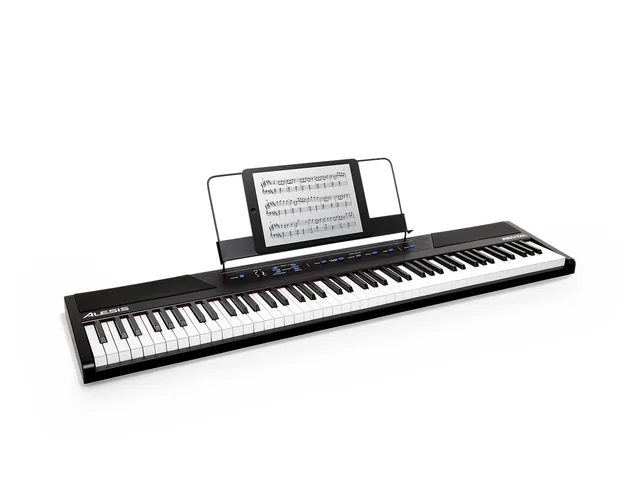
No. 1 · Our top pick
Semi-weighted keys, normally priced below $300
Check current price
Below this budget line, check the live price and understand the action compromise first.
The short answer
Compare all 2-
No. 1 · Our top pick
Best New Piano Under $300
Check current price
- Key action
- Semi-weighted, adjustable touch response
- Polyphony
- 128 notes
An 88-key piano with semi-weighted keys, adjustable touch response, 5 voices, 20-watt speakers and Lesson Mode. It's the one model here that's normally priced below $300 new.
Main limitation Semi-weighted keys don't build the same finger control as hammer action.
-
No. 2
Best Near $300 New Option
Check current price
- Key action
- Hammer action, adjustable touch response (per Donner)
- Polyphony
- 128 notes
An 88-key piano that Donner lists with hammer-action keys, 238 tones, 128-note polyphony and dual 25W amplifiers. Its price moves around the $300 line.
Main limitation Its price can move above $300, so it isn't always under the cap.
The shortlist stays intentionally small because the source market does.
Compare all 2
Swipe the table sideways to see every column.
| Rank | Best for | Key action / feel | Voice count | Main downside | Price / condition | Amazon |
|---|---|---|---|---|---|---|
| 1Alesis Recital#1 · New under $300 | New purchase under $300 | Semi-weighted, adjustable touch | 5 | Semi-weighted keys don't build hammer-action technique | Check current price | Check price on Amazon for the Alesis Recital (opens in a new tab) |
| 2Donner DEP-20#2 · Near-$300 new option | Hammer action near $300 | Hammer action (per Donner) | 238 | Its price can move above $300 | Check current price | Check price on Amazon for the Donner DEP-20 (opens in a new tab) |
Tip
The highest-leverage spending decision in budget piano shopping is still moving from semi-weighted keys to true hammer action. Under $300, that choice comes down to the Donner's price on the day. Compare the live price, then prioritize action over voice count, polyphony, or headline speaker wattage.
Amazon pricing, sellers and bundles change often; use each "Check Price" link for the current offer.
What are you actually trying to buy below $300?
There are only two defensible new routes here. Choose based on lesson intent and how firm your $300 cap is.
Start with Alesis Recital
- Needs
- A new full-size board below the cap
- Risk
- Mistaking semi-weighted keys for a long-term lesson base
Start with Donner DEP-20
- Needs
- Hammer-action keys for close to $300
- Risk
- A price that has moved above $300 on the day
No. 1
Alesis Recital
Semi-weighted keys, normally priced below $300
No. 2
Donner DEP-20
Price moves around the $300 line
Looking for a cheap digital piano, or the best digital piano under $300? The honest answer is that this price line is narrow. The Alesis Recital is a genuine new 88-key piano below $300, but Alesis describes its keys as semi-weighted rather than hammer action. The Donner DEP-20 has keys Donner describes as hammer action, but its price moves around the $300 line, so it doesn't always qualify. This guide explains both, what you give up with a cheap digital piano, and when a used hammer-action model or saving for the next tier makes more sense. This guide is based on the makers' published specs; we haven't played these pianos ourselves.
Quick Verdict
If $300 is a hard cap, the Alesis Recital is the new option. The Alesis Recital has 88 full-sized semi-weighted keys and is suitable for exploration, not a substitute for hammer-action lesson practice. The Donner DEP-20 adds keys Donner describes as hammer action, but its price moves around the cap.
If real piano action matters, check the Donner's price on the day or look one tier up. For a dependable new hammer-action purchase from Yamaha, Roland, Casio or Korg, compare the current options in our Under $500 guide.
The Best Budget Pianos Under $300 (and Just Above), Compared
Semi-weighted keys, normally priced below $300
Alesis Recital — The Cheapest New 88-Key Pick
Check current price · Alesis


- Angle
- From above: the control panel, with the five voice buttons and Lesson Mode
Features
- Key action
- Semi-weighted, adjustable touch response
- Polyphony
- 128 notes
- Speakers
- 20 watts
- Connectivity
- USB-MIDI, stereo RCA outputs, 1/4" headphone output, 1/4" sustain pedal input
- Keys
- 88 full-sized
- Voices
- 5
Decision question Is this an exploration purchase, and does the live price fit your cap?
Best for: beginners testing whether piano interest will stick, parents buying a first piano for a child before lessons are booked, and casual players who want a full 88 keys for the least money. Not for: anyone already in lessons, or adults who know they'll play seriously for years.
Read the full review: Alesis Recital
Our verdict
Buy the Alesis Recital if your $300 cap is firm and you accept it as an exploration piano. The semi-weighted keys are the compromise: they're fine for finding out whether practice sticks, but a committed learner will want hammer action before long. If lessons are already booked, look at the Donner DEP-20 at the price line or a hammer-action piano one tier up instead.
Pros
- +Normally priced below $300 new for a full-size 88-key piano
- +Lesson Mode splits the keyboard for teacher and student
- +Runs on six D-cell batteries as well as the included power supply
- +Stereo RCA outputs and USB-MIDI for an amplifier, recorder or computer
- +The headphone output mutes the speakers for quiet practice
Cons
- –Semi-weighted keys (not hammer action) build habits that don't fully transfer to acoustic piano
- –Only five voices
- –No sustain pedal in the box, so budget for one
- –Not a long-term lesson instrument if you stick with piano
- Best for
- beginners and families testing whether piano interest will stick
- Main downside
- Semi-weighted keys don't build the finger control that hammer action does
- Price position
- Live price · verify
Who should skip it anyone already booked into lessons or planning to play seriously for years.
How it plays and sounds
If you've searched "cheap digital piano" or "best digital piano under 300", the Alesis Recital is the clearest new option below the line. Alesis lists 88 full-sized semi-weighted keys with adjustable touch response, five voices (acoustic piano, electric piano, organ, synth and bass), Layer and Split modes, reverb and chorus, 20-watt built-in speakers and 128-note maximum polyphony. Lesson Mode divides the keyboard into two zones with the same pitch and voice, so a teacher and student can play side by side. It runs from the included power supply or six D-cell batteries. Alesis's official Recital product page lists the full feature set.
View full specs
| Key action | Semi-weighted, adjustable touch response |
|---|---|
| Keys | 88 full-sized |
| Polyphony | 128 notes |
| Voices | 5 |
| Speakers | 20 watts |
| Connectivity | USB-MIDI, stereo RCA outputs, 1/4" headphone output, 1/4" sustain pedal input |
| Lesson Mode | Two zones with the same pitch for teacher and student |
| Pedal included | No (sustain pedal input only) |
| Power | Included power supply or 6 D-cell batteries |
Take a closer look.
Semi-weighted keys, normally priced below $300
From above: the control panel, with the five voice buttons and Lesson Mode

Price moves around the $300 line

Controls and connection evidence
Price moves around the $300 line
Donner DEP-20 — Cheap Hammer Action at the $300 Line
Check current price · Donner
- Angle
- Controls and connection evidence
Features
- Key action
- Hammer action, adjustable touch response (per Donner)
- Polyphony
- 128 notes
- Speakers
- Dual 25W amplifiers
- Connectivity
- Audio input and output, 1/4" (6.35 mm) headphone jack
- Keys
- 88 full-sized
- Voices
- 238
Decision question Does the live price fit your cap?
Best for: beginners who want hammer-action keys at the $300 line, casual players who like a big voice library, and buyers comfortable with a less familiar brand. Not for: buyers whose $300 limit is firm on a day it costs more, or anyone whose teacher asks for a Yamaha, Roland, Casio or Korg.
Read the full review: Donner DEP-20
Our verdict
Buy the Donner DEP-20 if its live price fits your cap and you want hammer-action keys for the least money. Its maker lists hammer-action keys, which makes it a better lesson-track choice than a semi-weighted board, as long as the price on the day works. If it has moved well above $300, compare it with the hammer-action pianos one tier up before choosing.
Full review: read our Donner DEP-20 review and comparison of the other Donner pianos.
Pros
- +Often positioned close to the $300 line for a full-size 88-key instrument
- +Donner lists hammer-action keys, unlike most pianos near this price
- +Sustain pedal included in the Amazon listing
- +238 voices, far more than the Recital's five
- +Backlit LCD and a MIDI recording mode
Cons
- –Its price can move above $300
- –A newer piano maker than Yamaha or Roland, with a shorter track record
- –Less familiar to US piano teachers than the big piano brands
- –Most of its 238 voices matter little for piano practice
- Best for
- buyers who want hammer-action keys and can stretch to the $300 line
- Main downside
- Its price can move above $300, so it isn't always under the cap
- Price position
- Live price · verify
Who should skip it anyone whose $300 limit is firm on the day, or who wants a Yamaha, Roland, Casio or Korg action for lessons.
How it plays and sounds
The Donner DEP-20 keeps appearing in "best digital piano under 300" searches because it combines 88 keys, a sustain pedal and a large voice library near the budget line. Donner lists 88 full-sized hammer-action keys with adjustable touch response, 238 tones, 128-note maximum polyphony, dual 25W amplifiers, a backlit LCD, a MIDI recording mode and a 1/4-inch (6.35 mm) headphone jack, and its Amazon listing includes a sustain pedal and power supply. Its price moves around $300, so check it on the day; it doesn't always qualify as under $300. Donner isn't a household piano name; the company makes affordable music gear, and the DEP-20 is its entry-level full-size piano. Donner's official DEP-20 product page lists the full spec sheet (it shows the version sold with a stand and three-pedal unit).
View full specs
| Key action | Hammer action, adjustable touch response (per Donner) |
|---|---|
| Keys | 88 full-sized |
| Polyphony | 128 notes |
| Voices | 238 |
| Speakers | Dual 25W amplifiers |
| Connectivity | Audio input and output, 1/4" (6.35 mm) headphone jack |
| Pedal included | Yes (sustain pedal, per the Amazon listing) |
The Honest Truth About Cheap Digital Pianos
Most cheap digital piano roundups online are lying to you — not by making things up, but by pretending the compromises don't exist. Here's what you're actually trading away at this price, and when those trades make sense.
Read more: what you give up with a cheap digital piano, when a cheap piano makes sense, when a cheap piano doesn't make sense
What you give up with a cheap digital piano
Fully-weighted hammer keys. This is the big one. Most new pianos under $300 use semi-weighted keys (springs, not hammers), which feel lighter and faster than a real piano. The Donner DEP-20 is the exception on paper (Donner lists hammer-action keys), but its price sits right at the line. Real hammer action teaches your fingers correct weight distribution and dynamic control. Semi-weighted action teaches them the wrong habits, which take months to unlearn when you eventually upgrade.
Build quality. Cheap pianos are built to a price: lighter plastic cases, simpler controls and budget connectors. That's acceptable for an exploration piano, but it's one more reason a long-term learner should look one tier up.
Speaker power. The DEP-20 lists dual 25W amplifiers and the Recital lists 20-watt speakers. Wattage tells you how loud a piano can go, not how good it sounds, and small speakers in a slim cabinet have limits at any price. Practice in headphones if you can.
Polyphony note: this isn't actually a problem. Both pianos here list 128-note polyphony, double the 64 notes of Yamaha's entry P-45 and P-145BT. For beginner and intermediate pieces, that's plenty.
When a cheap piano makes sense
A cheap piano is the right call in three specific situations. Testing if piano interest is real. If you've never owned a piano and aren't sure whether daily practice will become a habit, a lower-cost semi-weighted board limits the financial damage if you stop after two months. Kids under 10 who haven't asked for lessons. An exploration instrument can make sense before a family commits to formal tuition. A second practice instrument. Players who already own a primary piano sometimes want a portable backup for a different room, an office, or travel.
When a cheap piano doesn't make sense
Three buyers should skip this tier entirely. Anyone in formal lessons. If you're booking weekly tuition, prioritize a verified hammer-action instrument rather than choosing by sticker price alone. Adult beginners with two-plus year intent. If you've already decided you want to play for years, buying a temporary semi-weighted board and upgrading soon afterward usually costs more than buying the right action once. Anyone over 12 starting Faber, Alfred, or another structured method book. The technique exercises assume piano-style resistance; semi-weighted keys will fight you on dynamic-control passages.
Cheapest Keyboard or Cheap Digital Piano: Which Should You Buy?
If you just want the cheapest keyboard that makes music, a 61-key portable keyboard costs less than either piano here. Those keyboards are built for playing songs with built-in rhythms and sounds, usually with lighter, unweighted keys. They're a fair first instrument for a young child or a casual player, but they aren't a cheap piano: they're missing 27 keys and the weighted feel that piano lessons build on.
If the goal is learning piano, the cheapest sensible buy is an 88-key instrument with touch response, which is why the Alesis Recital leads this guide. For the full difference between the two kinds of instrument, see our digital piano vs keyboard guide.
Worth Stretching Your Budget? What the Next Tier Buys You
If your $300 cap is firm, compare current new semi-weighted options and inspected used pianos. If your budget can move, the next tier usually adds true hammer action, stronger build quality, and more stable new-product availability. Check current prices rather than relying on an old fixed ladder.
Read more: consider a used hammer-action piano, stretch one tier, stretch to the brands teachers know
Consider a Used Hammer-Action Piano
A used Yamaha, Roland, Casio or Kawai hammer-action piano can be better value than a new semi-weighted board at the same budget. Verify the condition, seller, return terms, every key, the speakers, the pedal input and the included accessories before comparing it with a new piano. Older models that are no longer sold new, such as the Alesis Recital Pro, now turn up mainly as used offers.
Stretch One Tier: Casio CDP-S110 or Korg B2
One tier up buys you better-engineered hammer mechanisms and stronger brand recognition. The Casio CDP-S110 uses Casio's Scaled Hammer Action Keyboard II in a slim chassis, a good fit for tight apartment spaces. The Korg B2 is built around Korg's grand piano sounds and can record straight into a computer over USB. We cover both in detail in our best digital pianos under $500 guide.
Stretch to the Brands Teachers Know: Yamaha and Roland
The under-$500 tier is where the brand names teachers know enter the picture. The Yamaha P-45 is one of the most familiar lesson pianos in the US, with Yamaha's GHS hammer action; our Yamaha P-45 review covers who it suits. The Roland FP-10 is arguably the better instrument on paper: its PHA-4 Standard action adds escapement and ivory-feel key tops, as our Roland FP-10 review explains. For anyone planning two-plus years of lessons, this tier is the smartest budget. If you can stretch to $500, your options improve dramatically — read our Under $500 guide for the full ranked breakdown.
Watch out
Common Cheap-Piano Pitfalls
Watch out for "fully-weighted" claims on semi-weighted boards. Several Amazon listings under $300 advertise "weighted keys" or "graded weighted action" when the actual mechanism is semi-weighted (springs only). Real hammer-action keys have a small physical hammer inside each key — if the manufacturer doesn't say "hammer action" specifically, assume it isn't. Alesis is upfront that the Recital is semi-weighted; Donner says the DEP-20 has hammer-action keys.
61-key keyboards aren't pianos. Searches for "cheap digital piano" or "best keyboard under 300" surface a lot of 61-key Casio and Yamaha PSR boards. Those are MIDI keyboards or arranger keyboards, not pianos — the missing 27 keys cover the bass and treble extremes piano music actually uses. For piano practice, 88 keys is non-negotiable.
Beware bundle deals padding the price. "Free stand and bench" bundles often add light accessories to the price of the piano. Compare the piano on its own first, then add a sturdy stand and a height-adjustable bench when budget allows; our adjustable piano bench guide covers the seat.
Picking a Cheap Digital Piano in Four Steps
With a market this small, the decision tree is short. Here's how to pick the right cheap digital piano for your situation.
Read more: step 1, step 2, step 3, step 4
Step 1: Be honest about lesson commitment
If you're committed to formal lessons (booked, scheduled, paid for), skip semi-weighted exploration instruments and compare current new or carefully inspected used hammer-action models. If lessons are "maybe someday" or "we'll see if it sticks," a sub-$300 semi-weighted board can be an honest short-term choice.
Step 2: Be honest about how long you'll keep it
A cheap digital piano usually makes the most sense as a six-to-twelve-month exploration purchase. It may not make financial sense as a two-plus-year primary instrument because an early upgrade raises the total cost. If you already know you'll play for years, compare the current price of a new hammer-action model with the combined cost of buying twice.
Step 3: Consider the used market
A used Yamaha, Roland, Casio, or Kawai hammer-action piano can deliver more technique value than a new semi-weighted board at the same budget, but local prices vary. Inspect listings in person, test every key and pedal, listen for speaker distortion, and confirm the power supply and return options before paying.
Step 4: Don't pay for features that don't matter at this price
238 voices sounds impressive in marketing copy, but you'll use three of them (acoustic grand, electric piano, organ) at most. Bluetooth, app integration, and recording features are all secondary to whether the keys feel right. The Donner DEP-20's biggest spec wins on paper (voice count and speaker wattage) are also the specs that matter least for actual piano practice.
Looking for more options?
Frequently Asked Questions
Is a digital piano under $300 enough for serious learning?
Not reliably. The Alesis Recital, the one model here normally priced below $300 new, uses semi-weighted keys. The Donner DEP-20 has keys Donner describes as hammer action, but its price moves around the $300 line. A semi-weighted board can test whether interest will stick; committed lesson-track learners should compare hammer-action options one tier up or carefully inspected used pianos.
Are cheap digital pianos bad for learning?
Cheap is not the same as bad, but action type matters. Semi-weighted keys use springs and feel lighter than an acoustic piano; they are acceptable for exploration but less suitable for committed technique work. A properly functioning hammer-action piano is the better lesson instrument, whether bought new in the next price tier or used after a careful condition check.
Is a cheap piano keyboard good enough for a beginner?
For the first few months, yes, if it has 88 full-size, touch-sensitive keys. Semi-weighted keys, like the Alesis Recital's, are lighter than an acoustic piano, so they suit exploration more than lessons. Avoid unweighted 61-key keyboards if the goal is piano, and move to hammer action once practice becomes a habit.
Should I buy a used digital piano instead of a cheap new one?
Often, yes. A used Yamaha, Roland, Casio, or Kawai hammer-action piano can offer better technique value than a new semi-weighted board, but local prices and condition vary. Test every key and pedal, listen for speaker distortion, confirm the power supply and model number, and check seller or return terms before buying.
What's the best digital piano under $300 for kids?
For a child exploring music before lessons, the Alesis Recital is the sensible new choice: 88 full-size keys with adjustable touch response, Lesson Mode for playing beside a teacher or parent, and a price normally below $300. Once lessons are scheduled, move to a hammer-action instrument, such as the Donner DEP-20 if its price fits, or a piano one tier up.
What's the best stage piano under $300?
There isn't a true stage piano under $300. Models built for gigging, with sturdier cases and professional outputs, cost well beyond $300. Under $300, the practical gig option is a portable 88-key piano with outputs: the Alesis Recital has stereo RCA outputs and can run on batteries, and Donner lists audio input and output ports on the DEP-20.
Shahadat Shahi
Founder of PianoRanked. I research this guide from the makers' published specs — no paid placements, no brand partnerships.